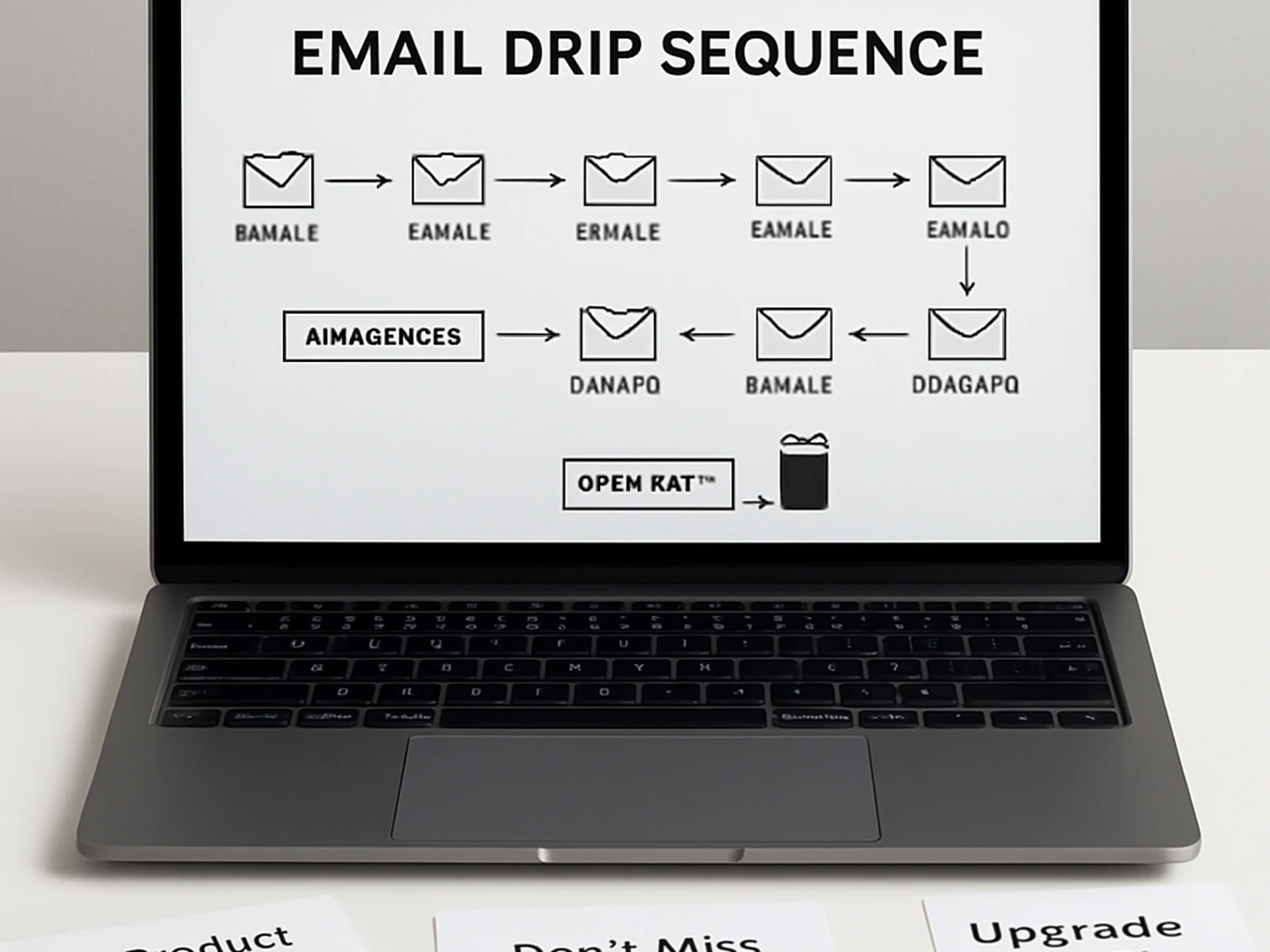
Sequences built around the decision process, not the content calendar
Most email drip sequences are built around topics rather than decisions. The marketer asks "what should we write about?" and produces a calendar of content-adjacent emails. This approach produces tolerable open rates and almost no conversions.
A sequence built around the decision process starts with a different question: what does this subscriber need to believe to take the action we want them to take? The answer maps to a series of belief shifts, and each email addresses exactly one of them.
We build sequences in five types: welcome sequences (your first interaction with a new subscriber), nurture sequences (moving someone from problem-aware to solution-aware), sales sequences (moving someone from solution-aware to ready to buy), re-engagement sequences (winning back subscribers who have gone cold), and post-purchase sequences (reducing buyer regret and increasing retention). Each type has a different structure because each is doing a different job.
Six to twelve emails per sequence is the standard range. Every email has a stated goal in the annotation -- not "nurture the relationship" but "address the objection that our solution is too complex for their current team size." Specific goals produce specific emails that actually convert.
- Welcome sequences (subscriber to first action)
- Nurture sequences (6-12 emails)
- Sales sequences with conversion focus
- Re-engagement campaigns
- Post-purchase sequences
- Subject line and preview text for each
- Annotated first draft with strategic notes
What we need from your side
We need access to your existing email data -- specifically open rates, click rates, and unsubscribe rates by email and subject line. If you have any -- this shows us what your audience responds to before we write a single line.
For sales sequences, we also need your objection data: what questions do prospects ask before converting? What reasons do lost deals give for not moving forward? These are the objections the sequence needs to address.